Yes, you can sell your San Diego rental property, but AB-1482 and local tenant protections shape how. Your three realistic paths are listing the home occupied, negotiating a lawful voluntary move-out, or selling to a cash or investor buyer. Start by confirming the tenant’s legal status on the lease, then pick the path that fits your timeline and net-proceeds goals.
TL;DR:
- After 12 months of lawful occupancy, California law requires just cause to end a tenancy; selling alone does not qualify, and San Diego adds disclosure rules.
- To obtain vacant possession, negotiate a voluntary written buyout and address required relocation assistance; do not issue a termination notice because you plan to sell.
- Give buyers the lease, amendments, rent roll, deposit ledger, condition records, and repair history before showings to reduce inspection surprises and escrow price cuts.
- Marketed listings typically bring the highest price, while cash offers close fastest at a discount; allow 30 to 60 days for full marketing.
- Depreciation recapture is taxed separately from capital gains, and a 1031 exchange can defer gains only when proceeds go into another investment property.
Table of Contents
- Choosing Between an Occupied Listing, a Buyout, or a Cash Sale
- California and San Diego Legal Requirements Before You List
- Building the Seller File That Prevents Buyer Re-Trades
- Pricing Strategy: Agent Listing, Off-Market, or Cash Offer
- Capital Gains, Depreciation Recapture, and Closing Costs
- Your Step-by-Step Timeline for an Occupied Sale
- How a Premier Selling System Approach Helps Occupied Listings
- An Agent’s View on Selling Tenant-Occupied Property
- Ready to Sell? Get a Seller Analysis for Your San Diego Rental
- FAQ
- Sources
Choosing Between an Occupied Listing, a Buyout, or a Cash Sale
Each exit path trades speed against proceeds, and the right choice depends on your tenant relationship and how fast you need to close.
Listing the property occupied works best when you have a reliable, long-term tenant and a lease that a buyer, often another investor, can simply assume. Price and market it as an income property, with the lease terms front and center rather than hidden in disclosures.
A voluntary buyout makes sense when you want vacant possession for a traditional owner-occupant sale. Under AB-1482, simply wanting to sell is not valid just cause to end a tenancy after 12 months of lawful occupancy, so the agreement must be in writing, voluntary, and often includes relocation assistance.
A cash or investor sale suits owners who want certainty over top dollar, but it still requires verifying the buyer’s funds before you take the property off the market; for more details, see three ways to sell a house with tenants, including fast cash.
- Occupied listing: best for stable leases a buyer can assume.
- Voluntary buyout: best when you need vacant possession and are willing to negotiate in writing.
- Cash or investor sale: best when speed and certainty matter more than maximizing price.
California and San Diego Legal Requirements Before You List
Before marketing a tenant-occupied home, confirm which protections apply. AB-1482 requires just cause to terminate a tenancy once a renter has lived in the unit for 12 months, and a sale alone does not qualify. No-fault terminations under the law often trigger relocation-assistance obligations and specific notice requirements.
San Diego’s own Tenant Protection Ordinance layers additional notice and documentation rules on top of the state law, including written disclosures tied to any buyout negotiation.
Many sellers assume wanting to sell counts as just cause under AB-1482, but it does not. You must sell with the tenancy in place, find a buyer willing to assume the lease, or negotiate a lawful voluntary move-out that includes any required relocation payment.
- Do confirm how long the tenant has occupied the unit before issuing any notice.
- Do put buyout terms and relocation assistance in writing before the tenant vacates.
- Don’t issue a termination notice citing the sale as the reason.
- Don’t skip San Diego’s local disclosure requirements even if state forms are complete.
Building the Seller File That Prevents Buyer Re-Trades
Buyers of occupied rental property underwrite the lease as carefully as the structure. A thin file invites price reductions after inspection.
- Gather copies of the current lease and any amendments.
- Pull a rent roll showing payment history and current balances.
- Compile the security deposit ledger and move-in condition records.
- Collect maintenance invoices, permits, and any open repair history.
- Organize utility records and confirm who pays what.
Plan tenant showings with notice that respects the lease and state privacy rules, and consider escorted showings rather than lockbox access, limiting listing photos to common areas if the tenant prefers privacy.
Pro Tip: Hand your agent the full file before the first showing, not after an offer comes in, so nothing surfaces during escrow that triggers a renegotiation.
An organized file also speeds up the buyer’s lender and underwriter checks, which matters most when the buyer is financing an income property purchase. For a deeper walkthrough of what California law requires before you show the home, see our guide to selling a house with tenants in California.
Pricing Strategy: Agent Listing, Off-Market, or Cash Offer
San Diego’s rental and resale market data should drive which route you pick. Local figures show a median listing price near $800,000, median rent around $3,100 to $3,200, and median days on market of roughly 43, signaling strong demand but real variation by neighborhood and property condition.
- A marketed listing typically nets the highest price but takes longer and may involve seller concessions during negotiation.
- An off-market sale can shorten the timeline while still reaching qualified buyers before a full public listing.
- A cash offer usually closes fastest but at a discount compared to a marketed sale.
Owners who need top dollar and can tolerate 30 to 60 days should lean toward a full marketed listing. Owners who need certainty, perhaps due to a job relocation or financial pressure, often do better with an off-market test or a vetted cash offer. Our San Diego market forecast breaks down how these conditions are trending into next year.
Capital Gains, Depreciation Recapture, and Closing Costs
Selling a rental property triggers tax consequences that differ from a primary residence sale. IRS Publication 523 explains how gain is allocated when a property has mixed rental and personal use, and IRS Publication 544 covers how depreciation recapture is calculated on property used in a rental business.
Depreciation recapture is taxed separately from capital gains, and the longer you held the property as a rental, the more recapture typically applies.
- A 1031 exchange can defer gains but generally requires reinvesting in another investment property, not a personal residence.
- California sellers should plan for potential state withholding at closing, addressed in our guide to avoiding withholding surprises when selling remotely.
- Expect a 1099-S at closing and confirm with your CPA whether estimated tax payments are needed before year-end.
Your Step-by-Step Timeline for an Occupied Sale
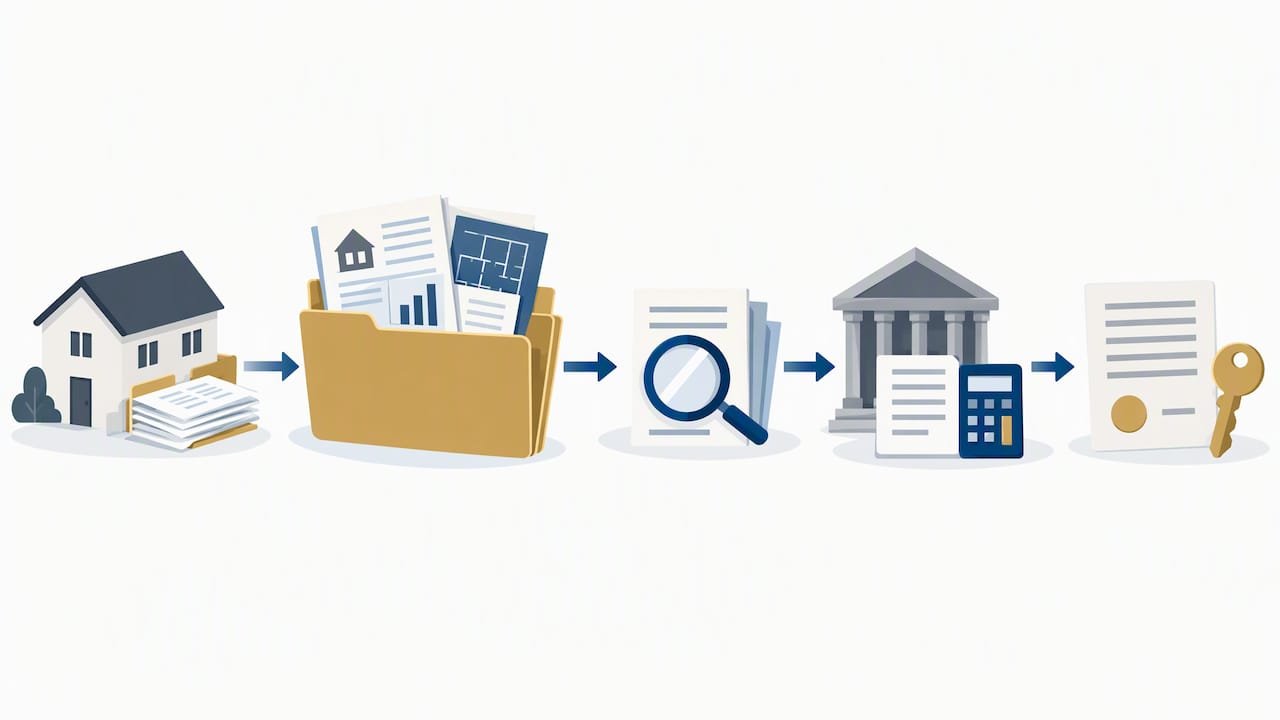
A tenant-occupied sale in San Diego generally follows a predictable sequence.
- Confirm the tenant’s legal status and review lease terms for assumability.
- Assemble the seller file: lease, rent roll, deposit ledger, maintenance records.
- Order a pre-listing inspection to surface issues before buyers do.
- Set showing rules that respect tenant notice requirements.
- Market the property and vet offers, including proof of funds for cash buyers.
- Open escrow, complete inspections, and confirm how the tenancy transfers at close.
Each step typically takes one to two weeks, so a straightforward occupied sale can close in six to ten weeks when the file is ready before you list.
How a Premier Selling System Approach Helps Occupied Listings
We built the Premier Selling System around targeted marketing, access to a buyer database, and negotiation support designed to help homeowners sell for more in less time. For a tenant-occupied property, that means pairing the lease documentation with strategic pricing and exposure through tools like Zillow Showcase to reach buyers specifically looking for income property.
This approach tends to help owners who want a marketed sale rather than a quick discount, particularly when the lease terms and rent roll are strong enough to be a selling point rather than a liability.
An Agent’s View on Selling Tenant-Occupied Property
My advice is always the same sequence: confirm legal status first, choose the exit path that matches your timeline, prepare the file before you list, then market strategically rather than defensively. Working with a local agent who knows AB-1482 and San Diego’s ordinance helps you avoid legal missteps while still protecting your net proceeds.
— Ryan Case
Ready to Sell? Get a Seller Analysis for Your San Diego Rental
We offer a few ways to match your exit path to the right service level. Our Premier Selling System uses strategic pricing and targeted marketing to position occupied and vacant listings alike for a stronger sale price. For owners who want more control over cost, we also offer Full Service Listing, Limited Listing, and Paperwork Only options, along with Guaranteed Price and Guaranteed Sale Programs for sellers who need timeline certainty.

- A net-proceeds estimate based on your property, lease terms, and current San Diego pricing data.
- A legal checklist covering AB-1482 and San Diego’s tenant protections specific to your situation.
- A recommended exit path, whether that means an occupied listing, a buyout, or a vetted cash offer.
If you need a faster, lower-discount path, our guide to selling in six to ten weeks explains how we structure that timeline for San Diego sellers. Reach out for a seller analysis and we will walk through your specific lease and timeline together.
This article is general information, not a substitute for advice from a qualified financial advisor. Consult a qualified financial professional about your own circumstances before acting on anything here.
FAQ
How to avoid capital gains tax when you sell a rental property?
Capital gains on a rental property are calculated after accounting for depreciation recapture, and a 1031 exchange can defer gains when you reinvest in another investment property under IRS rules. This does not eliminate tax, only defers it, so a CPA should confirm whether your situation qualifies before you list.
What is the 2% rule for rentals?
It is a rough filter used before buying, not a legal requirement, and few properties in San Diego’s current market meet it given local pricing.
Are rent prices dropping in San Diego?
San Diego median rent currently sits around $3,100 to $3,200, and the market has shown variation by neighborhood rather than a uniform decline. Check current listings in your specific area before assuming rents are trending in either direction.
What is the 50% rule in rental property?
The 50% rule is an investor shortcut estimating that operating expenses, excluding the mortgage, will consume about half of a rental property’s gross income. Like the 2% rule, it is a quick screening tool rather than an exact budget, and actual expenses vary by property age and condition.
Sources
- Bill Text – AB-1482 Tenant Protection Act of 2019: tenancy: rent caps.
- Publication 523 (Selling Your Home)
- Realtor