A strong counteroffer strategy for sellers means countering on more than price: pair a modest price move with tighter terms like a shorter inspection window or higher earnest money. We call this a multi-variable counter, and it protects your net proceeds while keeping the buyer at the table. The sections below walk through evaluation, construction, and scenario tactics you can put to work today.
TL;DR:
- Adjust your counteroffer by pairing a modest price reduction with tighter contract terms to protect your net proceeds and keep the buyer engaged.
- Verify buyer strength and assess appraisal risks to avoid double negotiations or deal disruptions before responding.
- Use small price moves combined with benefits like shortened inspection periods or higher earnest money to create mutually beneficial trade-offs.
- When facing lowball offers, respond with measured counters that include better terms rather than silence or outright rejection.
- Manage multiple offers carefully by inviting highest-and-best bids or countering one offer while keeping backup options to maximize your position.
Table of Contents
- How to evaluate an incoming offer: the signals that matter
- Crafting a multi-variable counteroffer: price plus contract terms
- Responding to lowball offers: measured replies that keep the deal alive
- Managing multiple offers: highest-and-best, countering one, and timing considerations
- Legal mechanics: what a counteroffer does to the original offer and other procedural risks
- Seller negotiation checklist: concrete questions and concession-for-value swaps
- How a proprietary Premier Selling System supports smarter counteroffers
- Negotiation is business, not personal
- Ready to put a negotiation plan to work for your sale?
- FAQ
- Sources
How to evaluate an incoming offer: the signals that matter
Before writing any response, read the offer as a full package, not a single number. Price matters, but so does who is behind it and how the contract is structured.
- Check price against recent comps and adjust for how long your home has been on the market, since a stale listing can soften your leverage.
- Verify buyer strength by confirming pre-approval status, whether the purchase is cash or financed, and which lender type is involved.
- Flag risky contingencies, since a loose financing or sale contingency can stall or kill a closing even at a good price.
- Treat earnest money as security: a thin deposit signals a buyer who can walk away with little cost to themselves.
Appraisal risk deserves its own look. If the contract price runs ahead of likely appraised value, you may be negotiating twice: once now, and again after the lender’s appraiser weighs in. The CFPB explains that when an appraisal comes in below the sale price, either side can renegotiate, and buyers often ask for a reduction while sellers risk the buyer canceling if no adjustment is made. Building that possibility into your counter now saves a second round of stress later.
Crafting a multi-variable counteroffer: price plus contract terms
Single-item price haggling treats a sale like a yard sale negotiation. A multi-variable counter treats it like what it is: a contract with several moving parts, any of which can be traded for value.
- Start with your comps. Anchor your counter price to recent, similar sales rather than your original list price alone.
- Identify your trade-offs. Decide which contract terms matter most to you: closing date, repair requests, or contingency length.
- Pair each price move with a term. A small price concession can be exchanged for a shorter inspection window, a higher earnest money deposit, or waived minor repairs.
- Document your reasoning. Note the comps and market conditions that justify your number so your agent can explain it to the buyer’s side.
For example, if a buyer offers below asking, you might come back a modest amount higher while asking for earnest money to double and the inspection period to shrink from 10 days to 5. That swap gives the buyer a path to “yes” while giving you more certainty and less time on the market if the deal falls apart.
Pro Tip: Never make a concession without asking for something concrete in return; every price move should buy you speed, certainty, or reduced risk.
Responding to lowball offers: measured replies that keep the deal alive
A lowball offer tests your resolve, not just your price. Going silent rarely helps. As Inman’s market analysis notes, failing to counter at all often sends a negative signal and can kill a deal, while even a modest counter keeps the conversation moving.
- Counter with a small price move plus terms, which tells the buyer you’re serious without abandoning your number.
- Reject firmly but leave the door open, inviting the buyer to come back with a stronger offer if circumstances change.
- Ask for justification through their agent, since a lowball sometimes reflects a misread of comps rather than a firm ceiling.
Whether to dig in or bend depends on your data. If your comps and days-on-market support your price, hold close to it. If supply in your area has grown and buyers have more options, a more flexible counter may protect the deal better than a rigid one, as NAR’s existing-home sales data on rising months’ supply suggests.
Managing multiple offers: highest-and-best, countering one, and timing considerations
Multiple offers feel like leverage, but they require a clear process to avoid confusion or legal exposure. NAR’s guide to multiple-offer negotiations outlines the main paths sellers can take.
- Accept the best offer outright when one clearly stands above the rest on price and terms.
- Invite highest-and-best bids from all interested buyers when offers are close in value, giving everyone a fair, final shot. Our guide to winning highest-and-best offers walks through how to structure this invitation.
- Counter one offer while pausing others, which keeps a backup in reserve but can frustrate buyers who feel kept waiting.
- Counter one while declining the rest, a faster path that narrows your options if that negotiation stalls.
Each approach carries trade-offs between speed, buyer goodwill, and your final price. Short, clear deadlines help prevent buyers from feeling strung along.
Legal mechanics: what a counteroffer does to the original offer and other procedural risks
Once you issue a counteroffer, you’re not just negotiating, you’re changing the legal landscape of the deal. Cornell Law’s Wex explains that a counteroffer typically voids the original offer, meaning the buyer is no longer bound to their initial terms and neither are you.
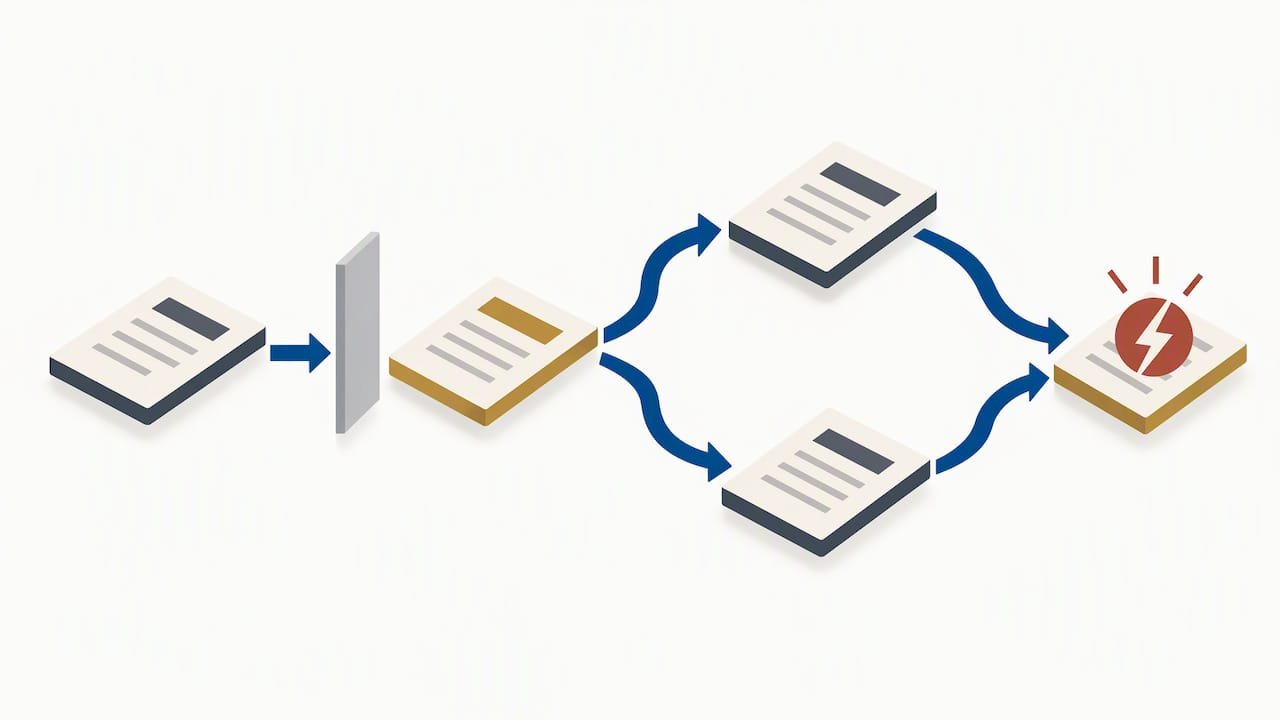
This is why countering multiple buyers at the same time is risky: if two buyers both accept your counters, you could find yourself with competing contracts and no clean way to honor both; insights from how a buyers agent handles multiple offers in Sydney can provide useful strategies to navigate these scenarios. When contingencies get complex or a dispute arises, loop in your brokerage’s managing broker or an attorney before signing anything.
Seller negotiation checklist: concrete questions and concession-for-value swaps
Keep this list handy during any active negotiation so decisions stay disciplined rather than emotional.
- Is the buyer pre-approved, and with what type of financing?
- How much earnest money is on the table relative to the purchase price?
- How long is the inspection window, and can it be shortened?
- What’s the appraisal risk given recent comps?
- Does the closing timeline match your needs?
- What’s your reserve price, the number below which you walk away?
Common swaps include trading a price reduction for a faster close, or waiving minor repairs in exchange for a higher deposit. Each trade should serve a specific goal: price, speed, or certainty.
Pro Tip: Write your bottom line down before negotiations start; a number on paper is harder to abandon in the moment than one in your head.
How a proprietary Premier Selling System supports smarter counteroffers
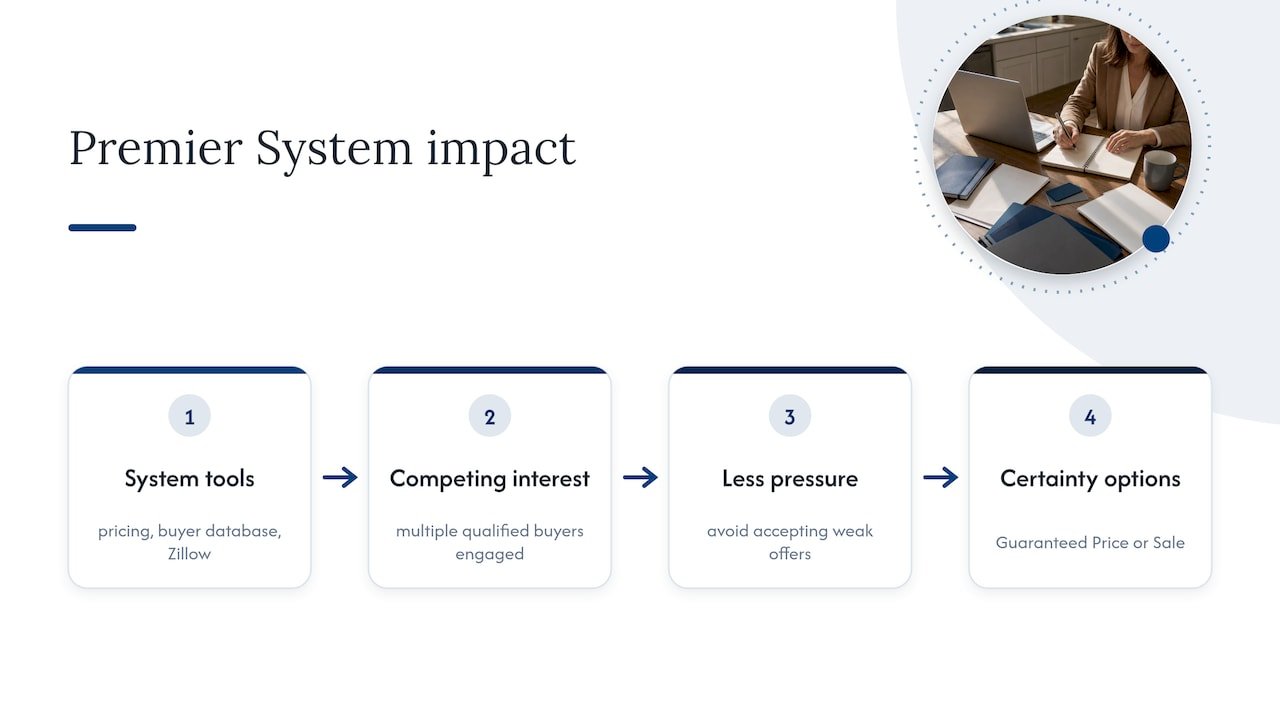
A Premier Selling System can combine strategic pricing, a buyer database, and tools like Zillow Showcase to generate competing interest before a counteroffer becomes necessary. When multiple qualified buyers are engaged, there is less pressure to accept a weak offer out of fear the deal disappears. Options such as Guaranteed Price Program and Guaranteed Sale Program are built around the goal of providing negotiated certainty without excessive back-and-forth.
Negotiation is business, not personal
Treat each counter as a data decision, not a verdict on your home’s worth. A modest, well-reasoned counter usually keeps more options open than a rigid stance. When in doubt, talk it through with your listing agent before you respond.
— Ryan Case
Ready to put a negotiation plan to work for your sale?
We build counteroffer leverage before negotiations even start, through the Premier Selling System’s pricing strategy, Zillow Showcase exposure, and our buyer database. Sellers who want speed without a steep discount, or the certainty of a Guaranteed Home Sale, can request a home analysis through our main site to see which approach fits.

FAQ
What are some effective counteroffer strategies for a home seller?
The most effective approach pairs a modest price adjustment with contract terms that reduce your risk, such as a shorter inspection period or higher earnest money. This multi-variable structure protects your net proceeds while giving the buyer a clear path to agreement.
What are some effective negotiation tactics for sellers?
Strong tactics include grounding your counter in recent comps, verifying buyer strength before negotiating terms, and always pairing a concession with something you receive in return. A measured counter, even a small one, tends to keep deals alive better than silence or a flat rejection, according to Inman’s analysis of seller leverage.
What is the hardest month to sell a house?
Seasonal slowdowns vary by local market, and national sales data shifts throughout the year as supply and buyer demand change. Rather than relying on a fixed calendar rule, check current months’ supply and recent sale trends in your specific area before timing a listing or a price move.
What are some effective counteroffer negotiation tactics?
When facing a lowball offer, a small counter with added terms often works better than ignoring the offer altogether. For multiple offers, inviting highest-and-best bids or countering one offer while keeping backups in reserve, as outlined in NAR’s multiple-offer guidance, gives you structured options without burning bridges.
Sources
- CFPB: My appraisal is less than the sale price — what does that mean for me?
- Cornell Law Wex: Counteroffer
- NAR existing-home-sales report shows 2.0% decrease in August
- As buyers gain leverage, homesellers need smarter counteroffers | Inman